Not long ago, if you wanted to prove who you were, you had to drive to an office and show a physical piece of plastic. Whether it was a driver's license or a passport, someone had to look at it, look at you, and decide if they matched.
Today, the world has moved online. We shop, work, and manage our money using our phones. Because of this, businesses need a way to verify people without meeting them in person. This is called Digital Identity Verification.
In Canada, this process is very advanced. It isn't just about taking a picture of an ID; it involves high-tech tools, artificial intelligence, and strict government rules. In this guide, we will break down exactly how it works and why it's the safest way to do business today.
What is Digital Identity Verification?
At its simplest, digital identity verification is a "digital handshake." It is a series of steps that a business uses to make sure that the person on the other side of a computer screen is real and is actually who they claim to be.
For businesses like mortgage brokers, landlords, and lawyers, this is a vital part of their job. It helps them follow Canadian laws and prevents criminals from stealing money or property.
The 4 Main Steps of the Verification Process
If you have ever been asked to verify your identity online, you probably went through these four steps. Here is what is happening behind the scenes:
1. Document Capture and OCR
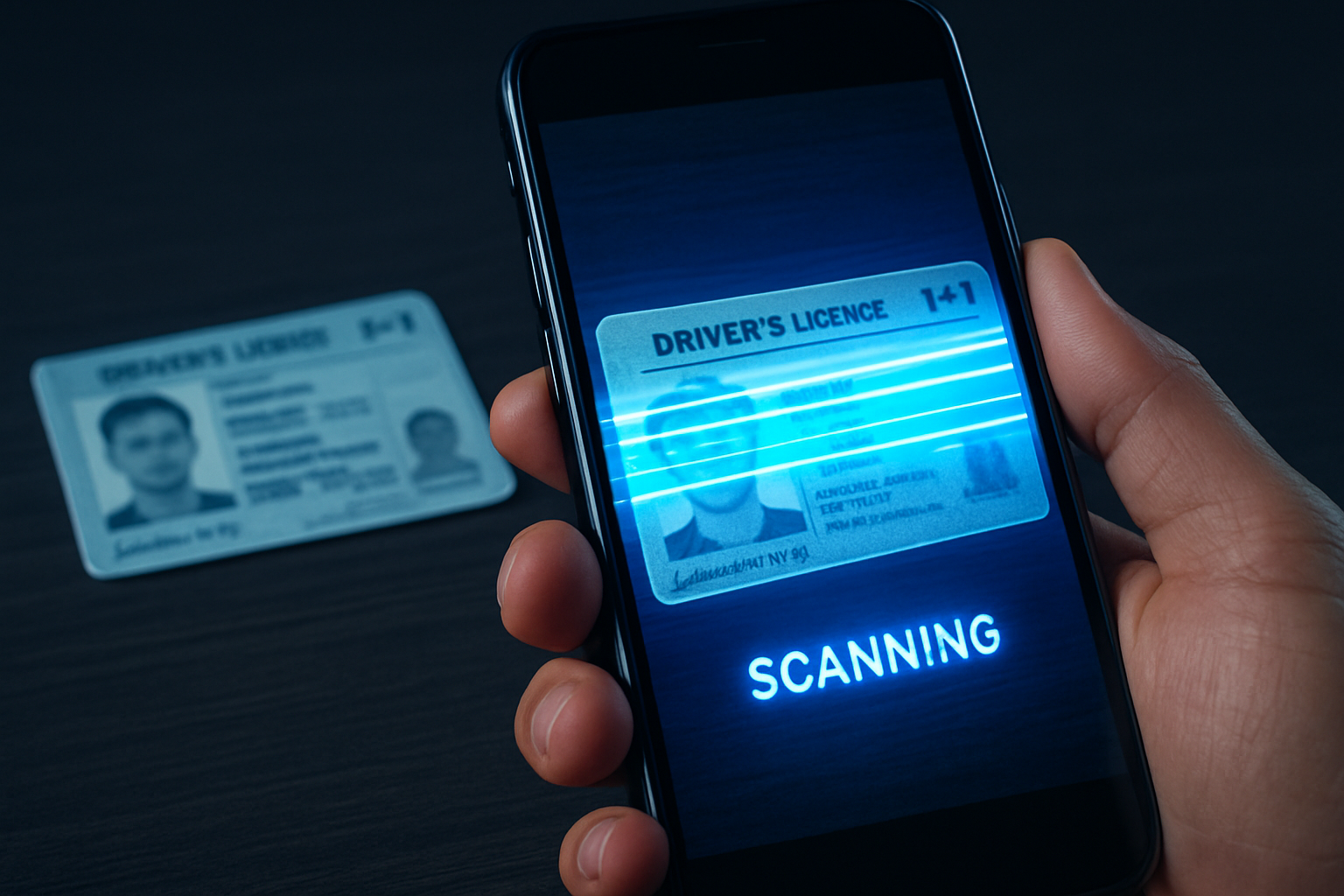
First, the system asks you to take a photo of your government-issued ID. This could be your Canadian passport or a provincial driver's license.
The software uses something called OCR (Optical Character Recognition). This is a fancy way of saying the computer "reads" the text on your ID. It pulls out your name, address, and date of birth instantly. It also checks for "security features" on the card to make sure it isn't a fake printed in a basement.
2. Biometric "Liveness" Check
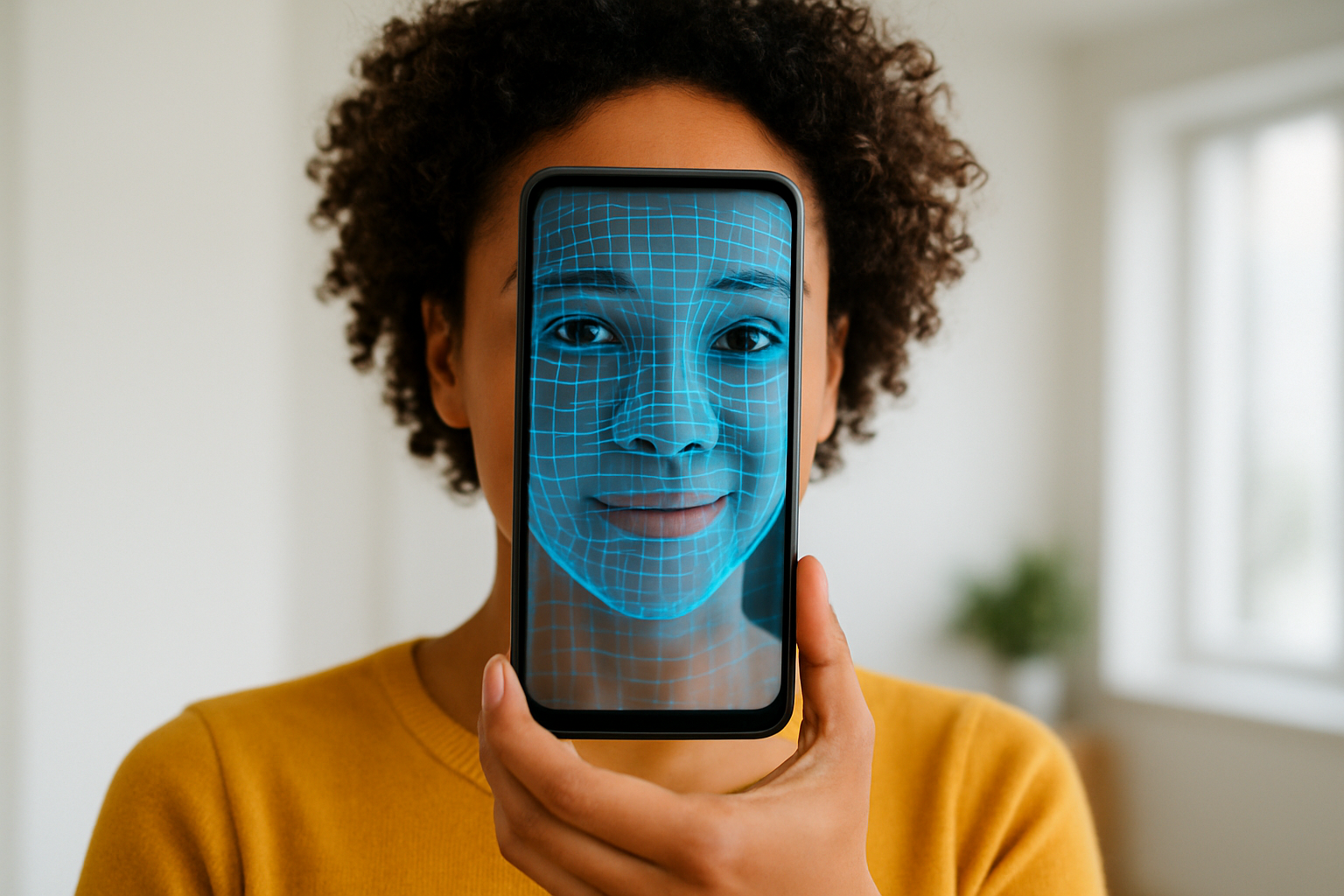
Next, the system usually asks you to take a "selfie" or move your head in front of your camera. This is called a biometric check.
The software isn't just looking at your face; it is making sure you are a living, breathing person. It can tell the difference between a real human and a photo or a video being held up to the camera.
3. Face Matching
Once the system has a clear scan of your ID and a "liveness" selfie, it uses Artificial Intelligence (AI) to compare the two. It looks at the distance between your eyes, the shape of your nose, and other tiny details. Even if you have grown a beard or changed your hair since your ID photo was taken, the AI is smart enough to know if it's the same person.
4. Data Verification (The "Dual-Process" Method)
Finally, the system checks your information against trusted databases. In Canada, this often follows the dual-process identity verification rule. This means the system might check your name against a credit score report or a bank record to make sure the government has a history of you existing at that address.
Why is Digital Verification Better Than the Old Way?
You might think that looking at an ID in person is safer, but digital verification is actually much more secure. Here is why:
- Humans make mistakes: A person might not notice a very good fake ID. A computer can spot tiny errors in a barcode or hologram that a human eye would miss.
- It's faster: Instead of waiting days for documents to be mailed or scanned, digital verification happens in seconds. This is why many people say Fastkey is the fastest way to get a criminal record check.
- Safe data storage: When you give a photocopy of your ID to a stranger, you don't know where it ends up. Digital systems use encryption (secret codes) to keep your data safe.
Following the Rules: FINTRAC and PIPEDA
In Canada, digital identity verification isn't just a choice; it is regulated by law. There are two main sets of rules that businesses must follow:
- FINTRAC: This agency fights money laundering. They set the rules for how identity verification must be done for big financial transactions.
- PIPEDA: This is the law that protects your privacy. It says that businesses must tell you why they are collecting your data and keep it safe.
By using a professional service, businesses ensure they stay on the right side of the law.
Who Uses Digital Identity Verification?
Almost every industry in Canada is starting to use these tools. Here are a few examples:
- Real Estate: Landlords use it for tenant screening to make sure a renter is who they say they are before signing a lease.
- Employment: Companies use it during criminal record checks to ensure the person they are hiring isn't using a stolen identity.
- Finance: Mortgage brokers use it to prevent "identity fraud," where a criminal tries to take out a loan in someone else's name.
How Digital ID Stops Fraud
Fraud is a huge problem in Canada. Criminals often try to use "synthetic identities"—which are a mix of real and fake information—to open bank accounts.
Digital identity verification stops this by requiring a "match" across multiple sources. A criminal might have a fake ID, but they won't have a matching biometric selfie and a 3-year history on a credit file. This "multi-layered" approach is what makes digital systems so hard to beat.
Summary: What You Need to Remember
Digital identity verification is the modern way to keep Canadians safe. It uses:
- AI to read documents.
- Biometrics to prove you are a real person.
- Trusted Databases to confirm your history.
Whether you are a business owner in Calgary or a property manager in Vancouver, having a digital system in place is the best way to protect yourself and your clients.
Ready to simplify your business?
At Fastkey, we make digital verification easy, fast, and 100% compliant. Check out our Identity Verification products to get started today.